
How to Improve Your Handwriting Without Practicing Letters for Hours
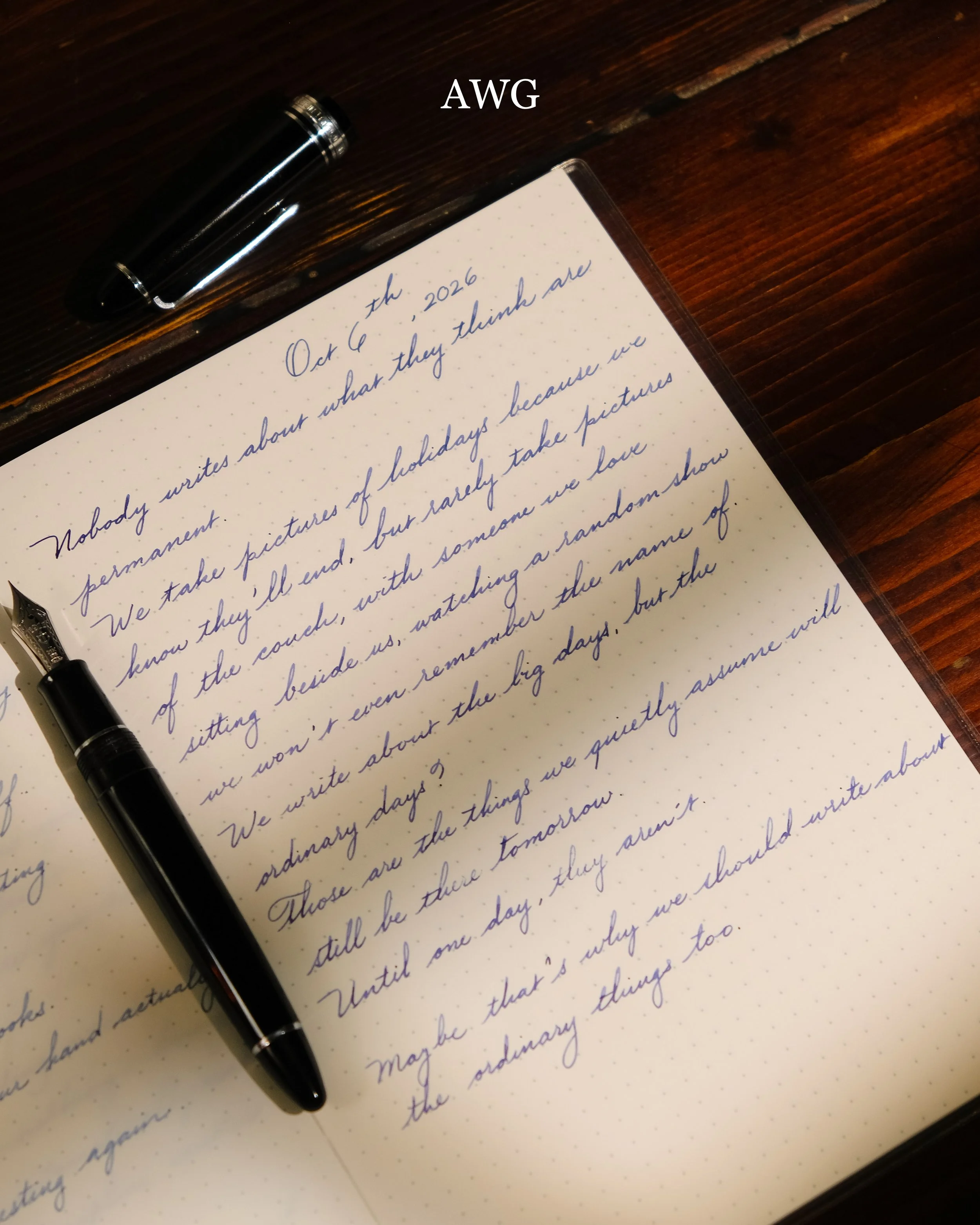
If you want to improve your handwriting, you might think you need to spend hours filling pages with the same letters until they finally look right. That’s what many people do when they first start practicing, and while repetition has its place, it isn’t the only way to make progress.
In fact, practicing more doesn’t always mean improving faster. What matters is knowing what to practice, understanding what makes your handwriting difficult to control, and building a routine you can actually maintain.
Here are five ways to improve your handwriting without spending hours practicing individual letters.
1. Start by Identifying What Needs Improvement
Before you start practicing, take a look at your everyday handwriting. Write a few sentences naturally, without slowing down or trying to make them look better than usual.
Then look at what you’ve written.
Are your letters inconsistent in size? Do your words have too much or too little space between them? Does your writing slope in different directions? Do your letters become harder to read when you write faster?
These are different problems, and each requires a slightly different approach.
Instead of trying to fix everything at once, choose one thing to work on during each practice session. If your letters are already readable but your spacing is inconsistent, spending twenty minutes practicing the alphabet probably won’t help as much as practicing how you space your words.
The goal is to make your practice more specific, not longer.
2. Practice Patterns Before Individual Letters
Handwriting is made up of repeated movements. Curves, straight lines, loops, and changes in direction appear across many different letters, so learning to control these movements can make several letters easier to write.
For example, practicing small, consistent curves can help with letters like c, o, e, and a. Repeated upward and downward movements can help you develop better control over letters such as i, u, m, and n.
You don’t need to spend an entire session repeating one letter. Instead, spend a few minutes working on a movement, then apply it to several letters that use the same pattern.
This approach helps you understand how letters are constructed rather than treating every letter as a separate shape you need to memorize.
Over time, the movements become more familiar, and you can focus less on how to form each letter and more on how your writing flows across the page.
3. Practice With Words and Sentences Earlier
It’s easy to become comfortable practicing individual letters on a worksheet, only to find that your handwriting looks completely different when you write a full sentence.
That’s because writing involves more than forming letters correctly. You also need to manage spacing, connections between letters, word proportions, and writing speed.
Once you have a basic understanding of a letter’s shape, start using it in words and sentences.
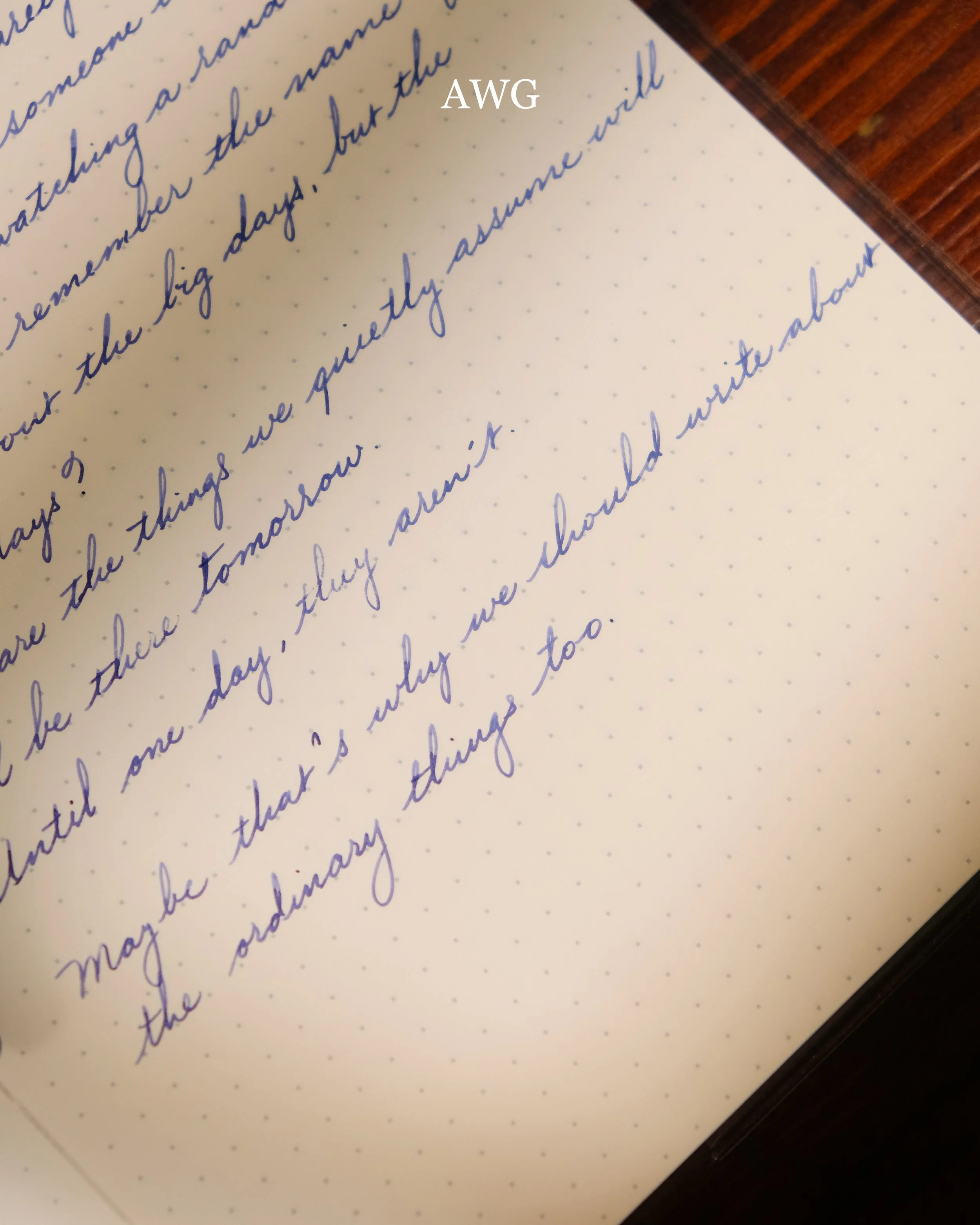
Choose a short sentence and write it two or three times. Pay attention to the way your letters sit next to each other, how much space you leave between words, and whether you can maintain a consistent rhythm.
You can even use a sentence from a book, a note you need to write, or something you want to remember. The content itself doesn’t matter much; what matters is giving yourself an opportunity to apply what you’ve practiced in a more natural context.
This also makes handwriting practice feel less repetitive, especially if you’ve struggled to stay motivated while filling page after page with individual letters.
4. Slow Down Just Enough to Notice Your Movements
Writing slowly can help you pay attention to the details you usually overlook, but writing as slowly as possible isn’t the goal.
If you concentrate so hard on every stroke that you can barely finish a sentence, you may find it difficult to use the same movements when you return to your normal writing speed.
Instead, aim for a comfortable pace that gives you enough time to notice what your hand is doing.
Pay attention to how tightly you hold your pen, whether your hand feels tense, and whether you’re moving your fingers, hand, or arm comfortably. If your grip is too tight or your hand becomes tired quickly, try adjusting your grip and posture before continuing.
You don’t need to force your handwriting into a perfect shape. Start by making the movements more comfortable and controlled, then gradually increase your speed while maintaining that control.
The more familiar a movement becomes, the less attention it usually requires.
5. Build a Short Practice Routine You Can Repeat
You don’t need an hour of free time to work on your handwriting. A focused ten-minute session can be a useful starting point, especially when you know what you’re trying to improve.
Here’s one way to structure it:
2 minutes: Write a few sentences naturally and identify one thing you’d like to improve.
3 minutes: Practice the specific movements or letter patterns related to that problem.
3 minutes: Apply those movements to words and short sentences.
2 minutes: Compare your writing with your starting sample and notice what changed.
You won’t necessarily see a dramatic difference after every session, and that’s normal. Some days your writing may look better than others, particularly when you’re tired or trying to write quickly.
What matters is giving yourself regular opportunities to practice, notice mistakes, and make small adjustments.
If you have more time, you can always continue. But don’t make a long practice session the minimum requirement for getting started.
The Goal Isn’t to Write Perfectly Every Time
Improving your handwriting doesn’t mean every page needs to look beautiful. It means becoming more aware of how you write and gradually gaining better control over the movements, spacing, and proportions that make your handwriting readable and consistent.
You can make meaningful progress without filling dozens of pages every day. Start with one problem, practice the movements behind it, and use what you’ve learned in actual writing.
And if you want to develop a particular style, such as Business Cursive, Copperplate, or Cursive Italic, having a structured practice guide can help you understand the shapes and movements involved instead of figuring everything out on your own.
At AWG, I create handwriting practice books and resources to help you work on these skills step by step, whether you’re starting from scratch or looking to make your existing handwriting more consistent.
You don’t need to practice for hours. You need to know what you’re practicing and give yourself enough time to get comfortable with it.
Explore the handwriting practice books and resources at awritingguy.com, or get in touch with AWG if you’d like to join a handwriting practice session in Ho Chi Minh City or Hanoi.
